
Tracing the Roots and Growth of Veil Traditions
For centuries, the veil has served as a expression of diverse cultural beliefs, intertwining notions of secrecy and elegance http://www.chatelaine.com/health/sex-and-relationships/what-does-a-lower-back-tattoo-really-suggest-to-men/. In many societies, this practice began from ancient rituals that celebrated womanhood and love ritual. The practice of wearing veils traces back to ancient times, where it aforested modesty and sacred boundaries within communities.
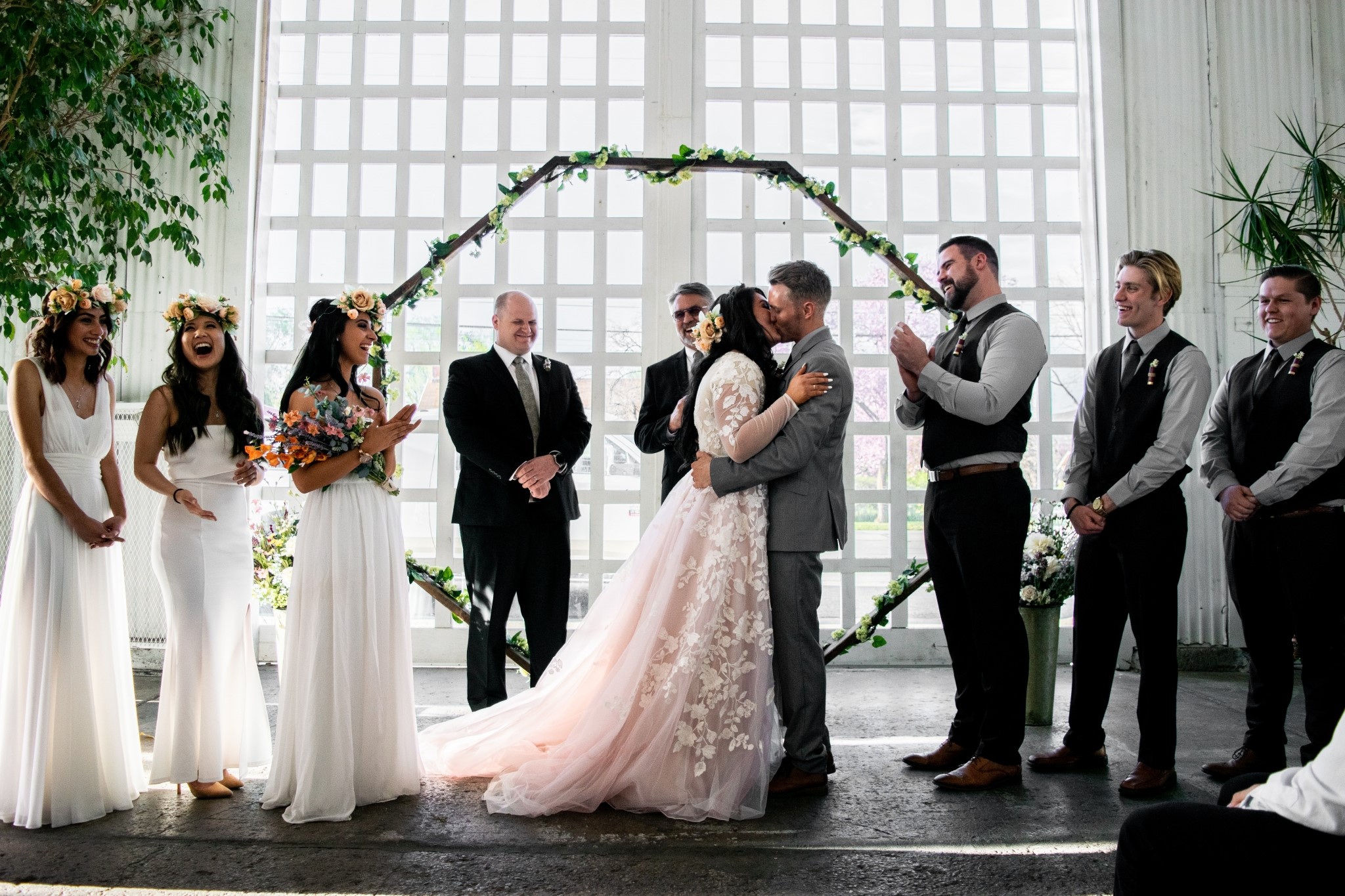
Veils are used since ancient times, embodying values related to femininity and the sacredness of love. This emblem varies across cultures, sometimes covering the bride’s face to signify chaste beauty or signaling her transition into a new societal role.
Some interpretations see the veil as a shield against malevolent spirits, while simultaneously enhancing the inner beauty of the wearer. Through symbolic layers, the veil serves as both a practical and esoteric signifier in ceremonies.
Decoding the Meanings Behind Veils
Veils are laden with rich meaning that often extends beyond mere appearance. Among many cultures, the veil transcends a simple garment, becoming a signifier of womanly virtues entwined with rituals of love.
Other traditions view the veil as a covering that protects the bride’s sanctity until the moment of union. The veil’s presence is closely tied to the idea of guarding emotional and spiritual connection in the matrimonial context.
Moreover, the veil frequently symbolizes a passage — from singlehood to matrimony, from innocence to a new phase laden with commitment. This gesture is a moving custom filled with deep emotional meaning, reflecting a universal human experience.
The Veil’s Role Today
Despite rapid social transformations, veils still hold substantial ceremonial meaning in many societies, adapting while maintaining core traditions. For quite a few, the veil’s role bridges individual expression and collective memory.
This fusion of old and new creates a dynamic narrative where the veil serves as a symbol of respect and a statement of style. Moreover, many wedding rituals retain veiling customs, underscoring their enduring significance in matrimonial ceremonies.
As modern attitudes evolve, the veil tradition also adapts to diverse cultural interpretations and personal meanings. Thus, the veil remains a vibrant practice that resonates across backgrounds and time.
How Veil Tradition Enhances Feminine Charm and Love Rituals
Veils accentuate the softness and poise often associated with womanhood, enriching ceremonial rites with their presence. By framing the face and body, the veil amplifies the emotional impact of love rituals, emphasizing reverence and intimacy.
In numerous traditions, veiling and unveiling become acts that celebrate mutual respect and affection. Through its delicate fabric and meaningful presence, the veil heightens the emotional resonance of weddings and other union ceremonies aseasidewedding.net.
- Veils representing modesty and respect in love rituals.
- The use of veils as protective elements against negative energies during unions.
- Enhancement of feminine beauty and grace, underscoring emotional depth.
- Ceremonial lifting of the veil as a moment of trust and acceptance.
- Adaptations of veil traditions in contemporary wedding practices.
Ultimately, the veil tradition merges external beauty with profound cultural and emotional layers. It stands as a testament to the enduring power of symbols in human relationships, consistently enriching ceremonies with a sense of history and heartfelt emotion.
Veil Tradition: A Cultural and Emotional Treasure
The veil tradition holds a rich place in cultural heritage, weaving together artistry, symbolism, and spiritual meaning. As a cultural icon, the veil bridges generations, carrying forward tales of love, commitment, and feminine grace.
Its role in enhancing both feminine charm and the sanctity of love rituals is profound, imbuing ceremonies with layers of significance. By honoring this tradition, contemporary celebrations show reverence to enduring customs while adapting to modern sensibilities.
As we reflect on the veil’s complex history, its place in ceremonies worldwide, and its evolving interpretations, we appreciate its unique power to unite and beautify.
